Predicting the future by re-imagining the present
Convening the multiple-helix for problem-solving of SHARED environmental challenges FACING the baltic sea region
Marine Mammal Area Comic Book
Combining narrative, art, and marine science, The MAKING SPACE comic book explains how Important Marine Mammal Areas are defined and used to protect whales, dolphins, and other marine mammals, making the idea of spatial ocean conservation easy to understand...... Read More
1/12/20261 min read
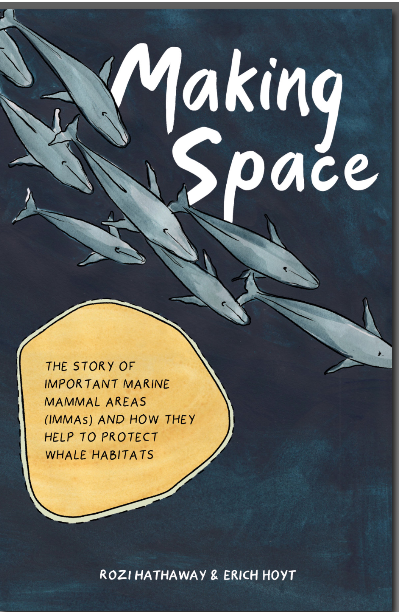
The comic is part of outreach around the IUCN Marine Mammal Protected Areas Task Force’s work and the IMMA e-Atlas, which aims to guide decisions about where marine conservation efforts are most needed globally. The comic is about 40 pages long and is available as a digital PDF (and in printed form), using illustrations and narrative storytelling to make scientific and conservation concepts intuitive and engaging, helping audiences from students to policymakers understand marine habitat conservation.
Currently available in English, with the Italian translation in the works.
“Making Space” is a digital comic book that tells the story of Important Marine Mammal Areas (IMMAs) and how they help protect marine mammal habitats like those of whales and dolphins across the world’s oceans. It was co-authored by comics artist Rozi Hathaway and marine conservation expert Erich Hoyt as a visual, accessible guide to the IMMA concept and the scientific and collaborative process that created it.
📘 It introduces readers to why and where marine mammals — such as whales — need protected space in the ocean.
It explains the origin and purpose of IMMAs, which are spatially defined areas identified by scientists where marine mammals are present and benefit from special conservation attention.
Through characters and narrative, including examples like a humpback whale named Frozen, it illustrates the threats these animals face and how IMMAs and spatial conservation tools can help sustain healthier oceans for both humans and wildlife.
Connect
Collaborate
info@BalticLivingLab.org
© 2024. All rights reserved.
Views and opinions expressed are those of the author(s) only and do not necessarily reflect those of the European Union or the European Commission.


The Baltic Living Lab is an Estonian NGO
MTU Registry Number 80646101
PIC 881723405 * OID E10395113